
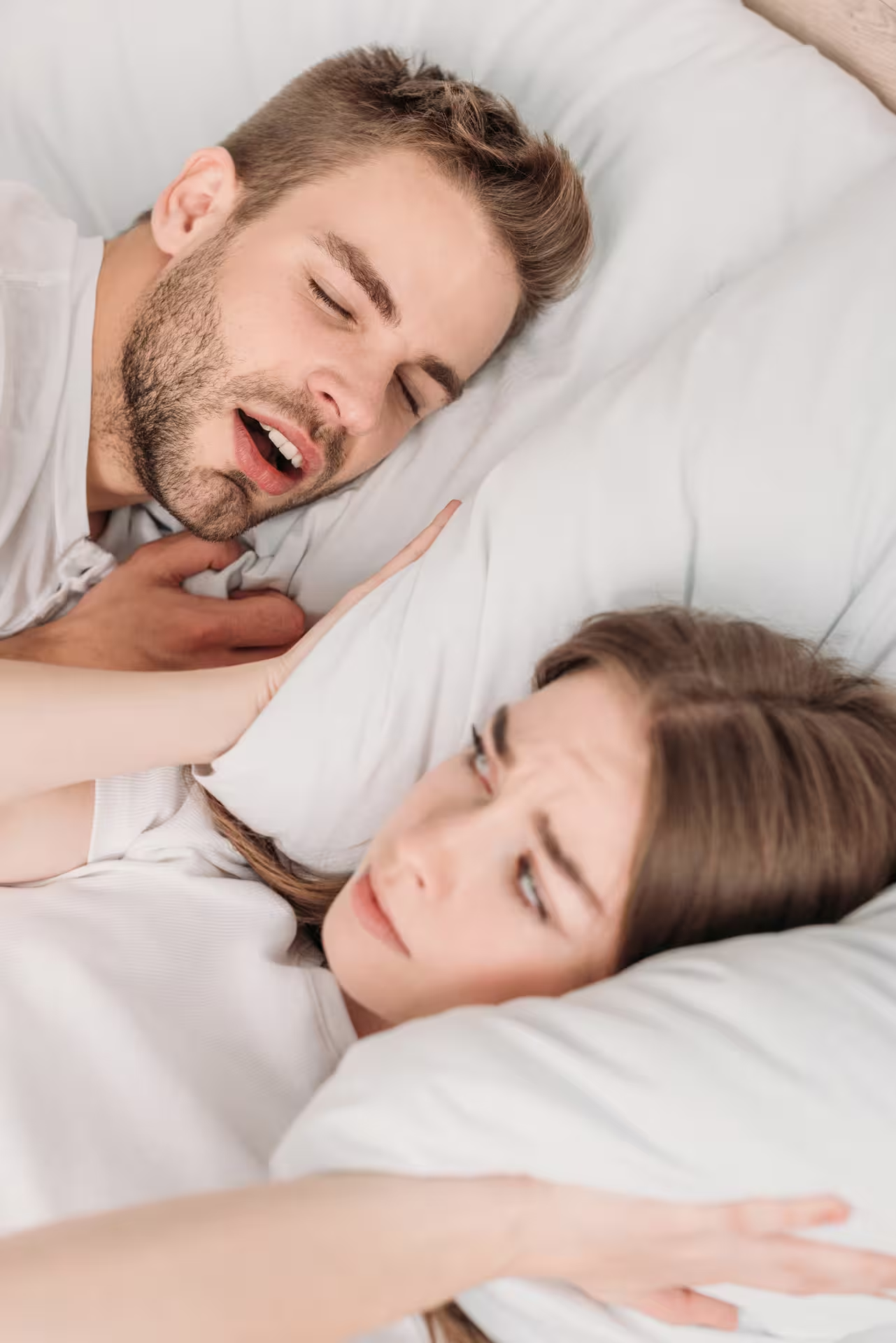
Snoring and Obstructive Sleep Apnoea (OSA)
Is snoring a problem? Yes it is !
The London Snoring Clinic
Mr Irfan Syed is the Director of the London Snoring Clinic at London ENT Surgeons, where he leads a comprehensive and patient-focused service dedicated to the management of snoring and obstructive sleep apnoea. His approach is holistic, ensuring that every patient receives a tailored treatment plan that addresses not only the symptoms but also the underlying causes of their condition. He works closely with a trusted network of dental specialists, respiratory physicians and maxillofacial surgeons, allowing for truly multidisciplinary care. This collaborative model ensures that patients have access to the full spectrum of modern treatment options, from dental appliances and CPAP therapy to advanced surgical procedures, all delivered with continuity and expert guidance.

| Situation | Chance of falling asleep |
|---|---|
| Sitting and reading | |
| Watching TV | |
| Sitting in a public place (e.g. a cinema or a meeting) | |
| As a passenger in a car for an hour without a break | |
| Lying down to rest during the day when possible | |
| Sitting and talking to someone | |
| Sitting after eating a meal without having drunk alcohol | |
| In a car or bus while stopped in traffic for a few minutes | |
| Total | 0 |
Sleepiness Scale
What does my score mean?
The results are:
- 0-5 lower normal daytime sleepiness
- 6-10 normal daytime sleepiness
- 11-12 mild daytime symptoms
- 13-15 moderate daytime symptoms
- 16-24 severe daytime symptoms
There are many reasons why you might feel sleepy during the day.
A few common causes of sleepiness are:
- not sleeping well enough
- an unhealthy lifestyle, such as not eating well or not getting much exercise
- stress, feeling unwell or side effects from some medicines
- hormonal changes, such as puberty, pregnancy or the menopause.
A total score between 11 and 24 might suggest you’re feeling unusually sleepy during the day.
Why do I snore?
The reasons for snoring vary and can include:
- Nasal obstruction: A deviated septum, nasal polyps or chronic sinus congestion can restrict airflow.
- Throat anatomy: Large tonsils, an elongated soft palate or a bulky tongue can narrow the airway.
- Weight gain: Excess tissue around the neck and throat increases the likelihood of airway collapse.
- Ageing: Muscle tone naturally decreases with age, making the airway more prone to vibration and collapse.
- Lifestyle factors: Alcohol, sedatives and smoking all relax throat muscles, worsening snoring.
- Sleep position: Lying on the back allows the tongue and soft palate to fall backwards, narrowing the airway.
What is Obstructive Sleep Apnoea?
- Loud, habitual snoring
- Witnessed pauses in breathing (often noticed by a partner)
- Gasping, choking or restless sleep
- Waking with a dry mouth or sore throat
- Excessive daytime sleepiness and fatigu
- Poor concentration, memory lapses or irritability
- Morning headaches
Why is OSA important?
- High blood pressure and heart rhythm disturbances
- Increased risk of heart attack and stroke
- Type 2 diabetes and insulin resistance
- Depression and reduced quality of life
- Higher risk of accidents due to daytime drowsiness
How do we investigate sleep apnoea at the London Snoring Clinic?
Mr Syed will carry out a comprehensive assessment which includes the following
1. Clinical history and examination
- A thorough discussion of symptoms, sleep hygiene, lifestyle, risk factors.
- Physical examination of the nose, throat and neck to look for anatomical causes such as tonsil enlargement or nasal obstruction.
- A quick and well-tolerated procedure performed in clinic using a thin camera to assess the nasal passages, back of the throat and larynx.
- Home sleep study: A portable device worn overnight at home that records breathing patterns and oxygen levels. Mr Syed has practicing privileges in centres which may provide the ability to request sleep studies for both self paying and insured patients
- Polysomnography (hospital-based): A detailed overnight study that monitors brain waves, breathing, oxygen levels, heart rate and limb movements. Mr Syed can also organise these studies with more complex patients and those with suspected parasomnias.
What are the current treatments for snoring and sleep apnoea?
Lifestyle measures
- Weight reduction (even modest weight loss can have a significant effect) We work with experienced dieticians who can help with sustainable medium to long term weight reduction.
- Regular exercise to improve muscle tone and general health We can advise regarding safe, effective methods for improving tongue and throat muscle actions including myofunctional therapy in collaboration with our dental colleagues. · Establishing good sleep hygiene (consistent bedtimes, avoiding screen use before bed)
- Continuous Positive Airway Pressure (CPAP): A small bedside machine that delivers pressurised air through a mask worn at night, preventing airway collapse. It is the gold standard for moderate to severe OSA and has excellent results when used consistently. At the London Snoring Clinic Mr Syed has close collaborations with a number of respiratory physicians to provide specialised advice and provision of CPAP
- Mandibular Advancement Devices (MADs): Custom-made dental appliances that adjust the jaw position, opening the airway and reducing both snoring and apnoea episodes. These are particularly useful in mild to moderate OSA and in those unable to tolerate CPAP. At the London Snoring Clinic we recognise the importance of jaw shape and orthodontic aspects of snoring and apnoea. We work with expert and internationally renowned dentists who specialise in individualised treatment regimens for snorers. We also work with oral and maxillo-facial surgeons who can advise regarding conservative devices versus orthognathic surgery.
- Positional Devices. Following detailed assessment of your sleep study at the London Snoring Clinic MR Syed can identify positional apnoea/snoring and recommend positional devices which can make significant improvements for positional snorers/apnoeic patients.
- Nasal surgery Mr Syed is able to identify and treat correction of a deviated nasal septum by carrying out a septoplasty. He is also able to treat more complex cases of nasal septum reconstruction via an open approach if required or septorhinoplasty. Significant inflammation can result in bulky turbinate tissue within the nasal airway and Mr Syed also offers a number of treatments for turbinates including minimally invasive coblation surgery or turbinoplasty.
- Tonsillectomy/adenoidectomy Mr Syed is proficient in removal of enlarged tonsils or adenoids, more common in children but sometimes required in adults. This can also be offered for patients with severe sleep apnoea as Mr Syed has practicing privileges in hospitals with high dependency and intensive care units when necessary.
- Palatal surgery Mr Syed also offers procedures to stiffen, shorten or remove excess tissue from the soft palate and uvula which may be useful in some patients particularly simple snorers depending upon anatomical conditions.