
Surgery & Treatment
Suspected Thyroid Swelling
At London ENT Surgeons, we understand that discovering a lump in your neck can be concerning. Whether you’ve been referred by your private GP or have contacted us directly, our team is here to provide rapid access to expert care, advanced diagnostics, and personalised treatment.
We recommend that all new neck lumps are investigated, even if they are painless or appear small. Early assessment ensures peace of mind and timely treatment if needed.
Step 1: Booking Your Appointment
You can:
- Self-refer by contacting our clinic directly
- Be referred by your private GP or another specialist
Our team will arrange a prompt appointment at one of our central London locations.
Step 2: Your First Visit
You will be seen by one of our specialist head and neck, endocrine surgeons, who will:
- Take a detailed medical history
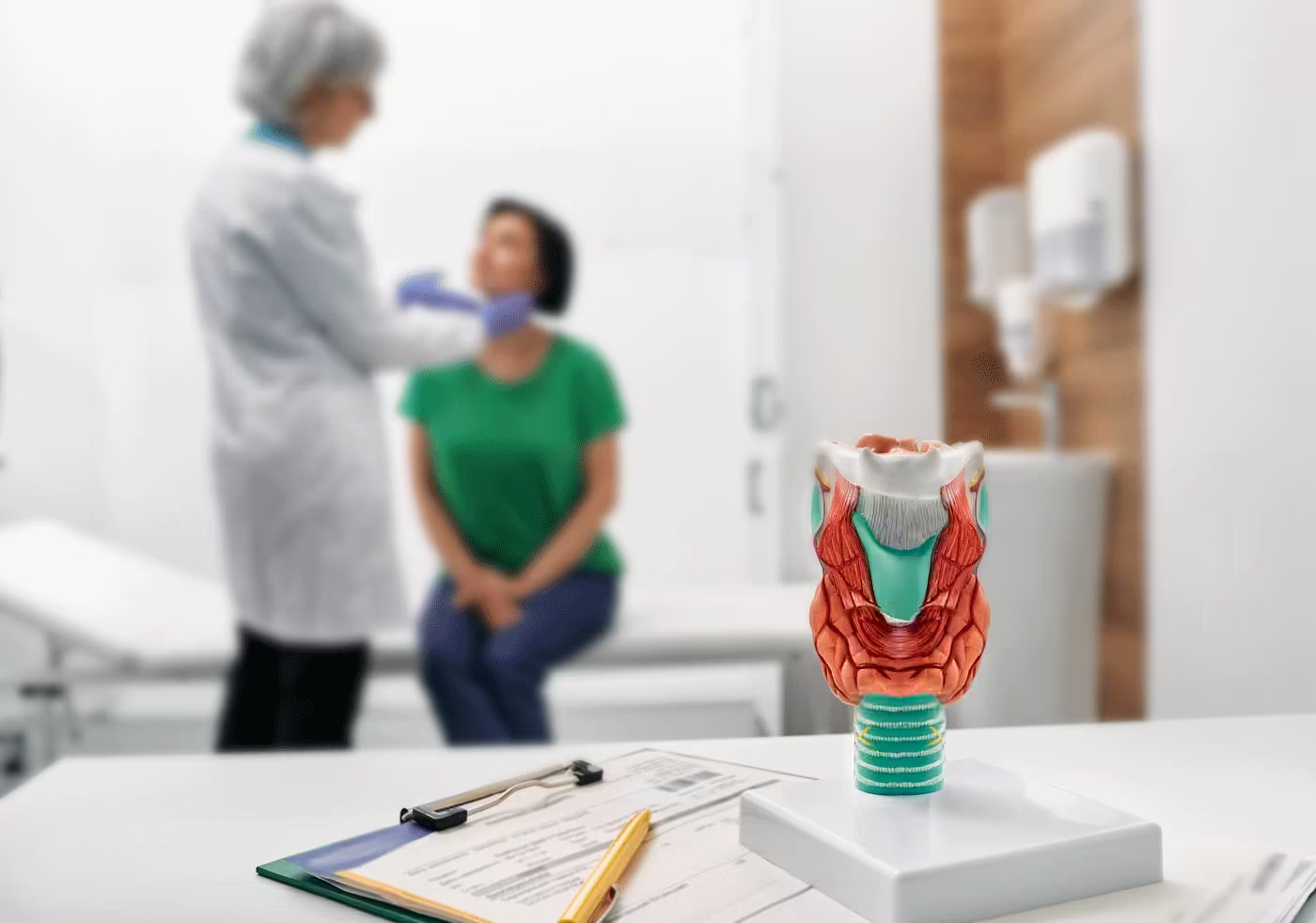
- Perform a thorough neck and thyroid examination
- Discuss your symptoms and any concerns
Step 3: Diagnostic Investigations
We aim to complete all key investigations quickly, often during the same visit:
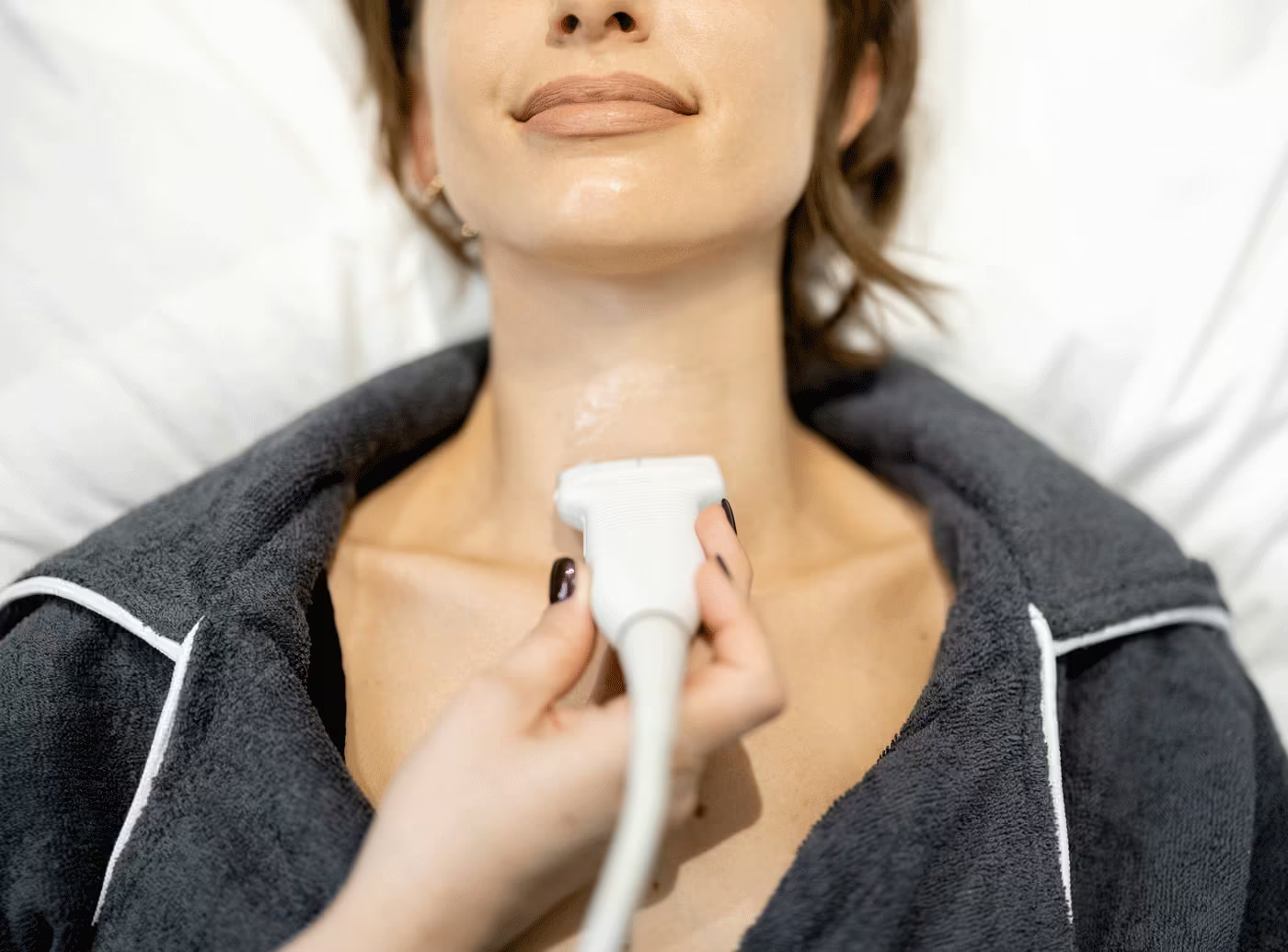
- Ultrasound Scan: Performed by an expert radiologist to assess the thyroid and surrounding structures
- Fine Needle Aspiration Cytology (FNAC): A needle biopsy to collect cells for analysis
- Blood Tests: Including thyroid function (T3, T4, TSH), calcium, and other relevant markers
- Additional Imaging (if required): CT, MRI, or nuclear medicine scans
Step 4: Diagnosis & Multidisciplinary Review
Your results will be reviewed by your consultant and, if needed, discussed at our Multidisciplinary Team (MDT) meeting, which includes:
- Surgeons
- Endocrinologists
- Radiologists
- Pathologists
- Specialist nurses
This ensures a comprehensive and collaborative approach to your care.
Step 5: Personalised Treatment Plan
Based on your diagnosis, we will recommend the most appropriate next steps, which may include:
- Monitoring: For benign, non-problematic swellings
- Surgery (Thyroidectomy): Partial or total removal of the thyroid
- Medical Management: For thyroid dysfunction or inflammation
- Oncology Referral: If cancer is confirmed, for further treatment such as radioiodine therapy
Step 6: Aftercare & Follow-Up
Following treatment, we continue to support you with:
- Regular follow-up appointments
- Hormone monitoring (if part or all of the thyroid is removed)
- Access to our specialist nursing and support team
Why Choose London ENT Surgeons?
- Direct access to leading thyroid specialists
- One-stop diagnostic clinics
- Fast-track appointments and results
- Personalised, evidence-based care
- A seamless, supportive patient experience
Surgery & Treatment
Primary Hyperparathyroidism
At London ENT Surgeons, we offer a comprehensive and cutting-edge approach to diagnosing and treating primary hyperparathyroidism — a condition caused by overactivity of one or more parathyroid glands, leading to elevated calcium levels and potential complications such as kidney stones, osteoporosis, and fatigue.
Whether you’ve been referred by a private GP or have contacted us directly, our team ensures rapid access to expert care, advanced diagnostics, and minimally invasive surgical options.
Step 1: Booking Your Appointment
You can:
- Self-refer by contacting our clinic directly
- Be referred by your private GP or another specialist
Our team will arrange a prompt consultation with one of our endocrine or head and neck surgeons.
Step 2: Specialist Consultation
Your journey begins with a detailed consultation, where we:
- Review your symptoms and medical history
- Examine previous test results (if available)
- Perform a focused clinical assessment
Step 3: Diagnostic Investigations
To confirm the diagnosis and localise the overactive gland(s), we use a combination of advanced tests:
- Blood Tests: To measure calcium, parathyroid hormone (PTH), vitamin D, and kidney function
- Choline PET/CT Scan: A highly sensitive imaging technique to accurately localise parathyroid adenomas, especially when conventional scans are inconclusive
- Ultrasound or Sestamibi Scans: May be used alongside PET/CT for anatomical correlation
Step 4: Multidisciplinary Review & Treatment Planning
Your case is reviewed by our expert team, including
- Surgeons
- Endocrinologists
- Radiologists
- Pathologists
We tailor a treatment plan based on your test results, symptoms, and preferences.
Step 5: Surgery (Parathyroidectomy)
If surgery is recommended, we offer:
- Minimally invasive parathyroidectomy under general anaesthesia
- Intraoperative PTH Monitoring (IOPTH): Ensures successful removal of the overactive gland by confirming a drop in hormone levels during surgery
- Nerve Monitoring: Protects the recurrent laryngeal nerve to preserve voice quality Our state-of-the-art theatres and experienced surgical team ensure safety, precision, and comfort.
Step 6: Recovery & Aftercare
After surgery:
- You’ll be monitored for calcium levels and overall recovery
- Pain relief and wound care instructions will be provided
- Most patients return to normal activities within a few days
You’ll receive a personalised aftercare plan and have access to our team for any questions or follow-up needs.
Why Choose London ENT Surgeons?
- Direct access to leading endocrine and head & neck surgeons
- Use of Choline PET/CT for superior localisation
- IOPTH and nerve monitoring for safer, more effective surgery
- Rapid diagnostics and treatment planning
- Personalised care in a private, patient-focused setting